Oversize loads scoped early
Length, width, height, weight, and route pressure are reviewed early so the move starts with realistic equipment and planning assumptions.
 Heavy Haul + Van Freight
American heavy haul, van freight, and specialized freight
Direct dispatch communication for oversize loads, van freight, produce reefer, and project freight that needs a real operating plan.
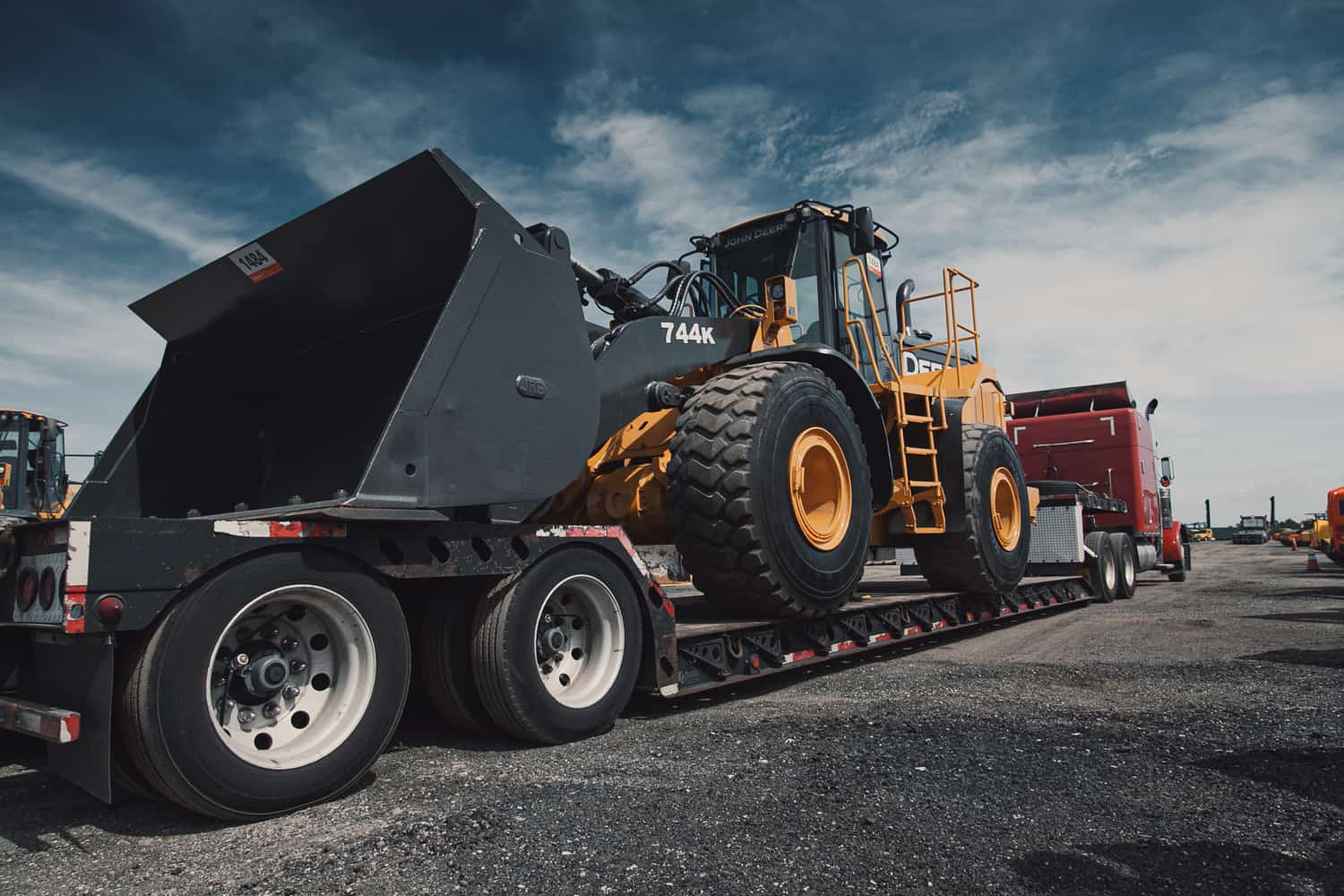
Heavy haul trucking
Crest Transportation helps customers move oversize freight, heavy equipment, industrial components, and route-sensitive project cargo with direct dispatch communication from the first call. When the move depends on trailer fit, permits, escorts, site access, or timing pressure, the planning path has to be clear early.
Length, width, height, weight, and route pressure are reviewed early so the move starts with realistic equipment and planning assumptions.
When permits, pilot cars, curfews, or state restrictions may affect the load, Crest works from those realities instead of treating them like late surprises.
Tight access, crane windows, yard congestion, loading methods, and release timing all shape the workable path for heavy haul trucking.
Customers get one clear line into dispatch so changes, updates, and next steps stay practical instead of bouncing between departments.
Common heavy-haul loads
Heavy haul trucking is not one narrow load category. It covers many types of freight that stop fitting a standard trucking path once dimensions, weight, route limits, or delivery conditions become more demanding.
Loads that usually trigger deeper review
These are the kinds of moves that usually need route review, trailer-fit thinking, timing coordination, or a clearer dispatch conversation before the job is simple.
Load 01
Heavy equipment and construction machinery
Load 02
Oversize industrial components and tanks
Load 03
Long-length freight and route-sensitive cargo
Load 04
Project freight with jobsite timing pressure
Load 05
Specialized loads needing trailer-fit review
Load 06
Awkward freight that does not fit a standard van or flatbed path
What changes the move
Customers usually do not need a lecture on heavy haul. They need to know whether the carrier understands the practical constraints already shaping the move. These are the details that usually matter first.
Trailer choice changes the whole move. Deck height, axle setup, loading method, and securement all need to match the freight rather than forcing the freight into the wrong setup.
Heavy haul trucking often depends on state thresholds, route review, and timing windows. If those limits are known early, the shipment can be quoted and staged more cleanly.
Low clearances, bridge limits, pilot-car rules, and restricted corridors should be identified before the load is already under pressure.
If cranes, forklifts, dirt access, staged delivery, or shutdown windows are involved, those details should shape the operating plan from the start.
Project examples
These examples show the type of heavy haul trucking context customers often need to communicate early so dispatch can line up the right next step.
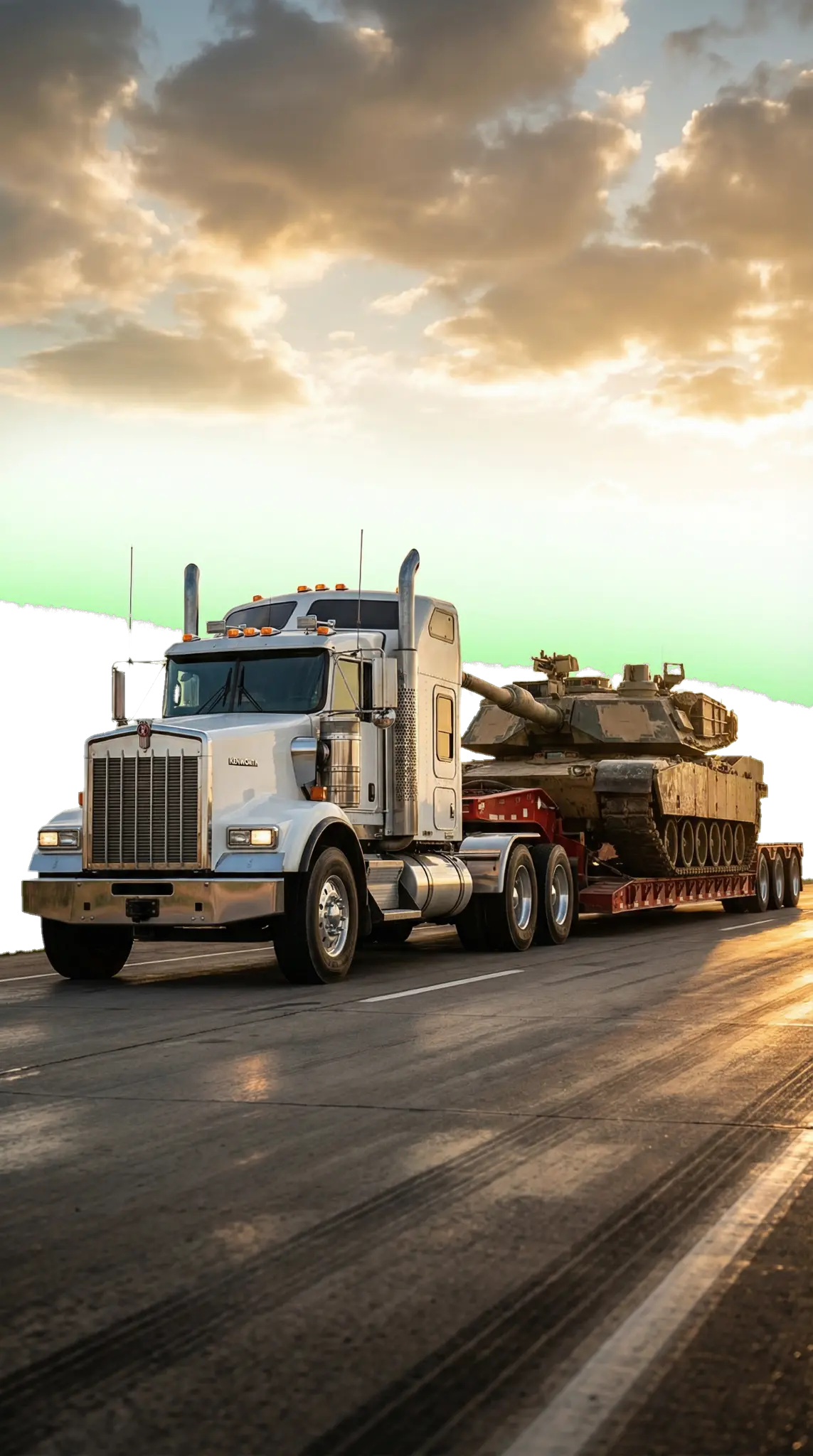
Heavy haul trucking gets real fast when the road, terrain, escort coordination, and load width all have to work together.
Some loads make the challenge obvious immediately, which is exactly why clear dispatch planning and escort-ready execution matter.
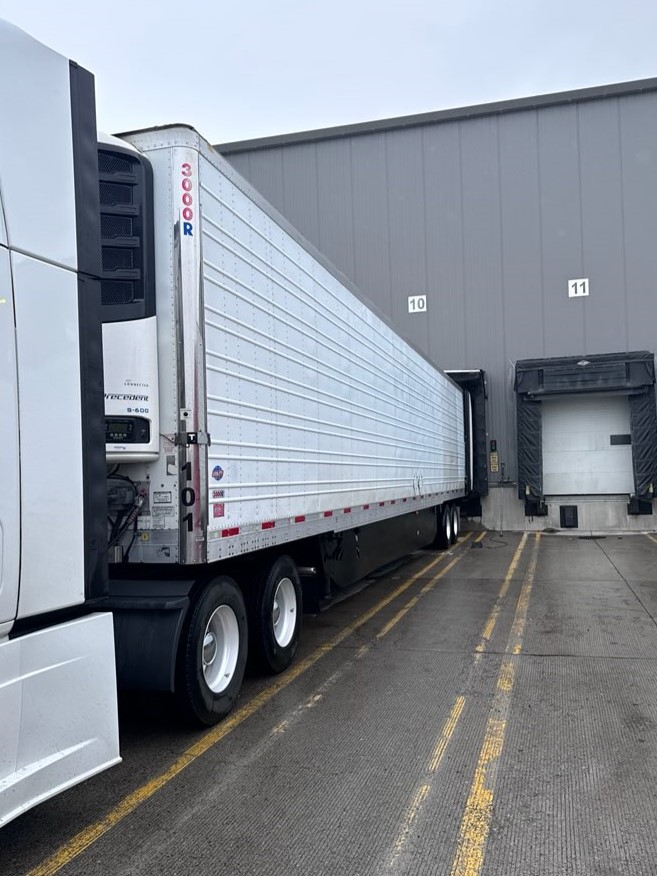
Project freight often means more than one oversized piece, more than one truck, and tighter coordination from staging through delivery.
What helps a heavy-haul buyer choose Crest
Difficult freight moves better when the carrier understands the operating pressure behind the load before pickup, not after the route, equipment, or site plan starts changing.
Trailer fit, permits, escorts, route limits, and site access are reviewed early so the shipment starts with a practical operating plan instead of assumptions.
Partial drawings, changing dimensions, and evolving site facts can start the conversation. Crest can identify the next planning details while final information is still coming together.
Route-sensitive cargo, multi-piece project work, and oversize freight all depend on clear coordination before the wheels start rolling.
Questions that move the heavy-haul decision forward
These answers are written for shippers, coordinators, and project teams who need the next useful detail before they decide Crest is the right fit for a difficult move.
The best starting package is pickup and delivery locations, dimensions, weight, piece count, timing pressure, and any photos, drawings, or spec sheets you already have. That is usually enough for dispatch to identify the first planning issues.
Yes. Send the best current facts, and Crest can flag what is still missing while the final dimensions, route, or site details are being confirmed.
Because the freight may change trailer fit, legal dimensions, escort needs, routing options, crane timing, and site access all at once. The harder the load is to fit into a standard lane, the more important it is to surface those constraints early.
The page is aimed at oversize freight, heavy equipment, industrial components, long-length freight, and project cargo where route sensitivity, timing pressure, or site conditions change the operating plan from the start.
Start the quote path
If you have the dimensions, send them. If you only have a partial drawing, send that. If the route or site conditions are still moving, say so clearly. Crest can work from the best current facts and help the next step get cleaner.