Heavy haul trucking explained simply
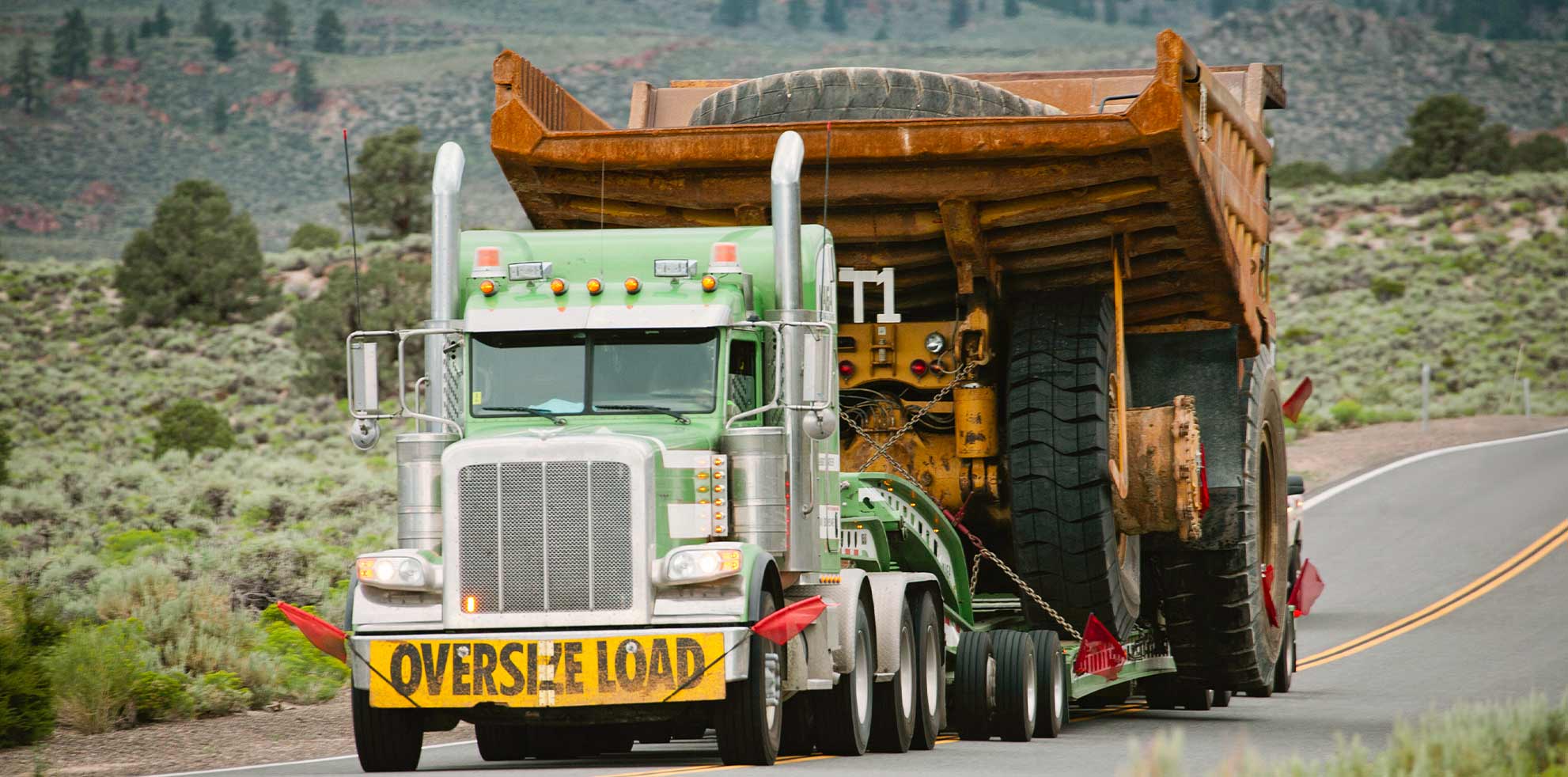
Heavy haul trucking is the transport of freight that needs more planning than a standard van or open-deck shipment because of size, weight, routing limits, trailer fit, escorts, permits, or delivery conditions.
 Heavy Haul + Van Freight
American heavy haul, van freight, and specialized freight
Direct dispatch communication for oversize loads, van freight, produce reefer, and project freight that needs a real operating plan.
Heavy-haul guide
Heavy haul trucking means moving freight that needs more planning than a standard shipment because of size, weight, route limits, trailer fit, permits, escorts, or delivery conditions. The point is not just that the freight is big. The point is that the move depends on details that need to be scoped early.
Definition
Customers usually need a practical answer, not a legal essay. These are the simplest ways to frame what heavy haul trucking means in the real world.
Heavy haul trucking is the transport of freight that needs more planning than a standard van or open-deck shipment because of size, weight, routing limits, trailer fit, escorts, permits, or delivery conditions.
A shipment can need heavy haul planning even when the issue is length, width, height, site access, or route restrictions rather than raw weight alone.
The practical question is whether the freight can move on a normal trucking path or whether it needs extra review before dispatch starts.
What usually triggers it
Length, width, and height often determine whether the load fits normal lanes or needs a more specialized path.
Bridge limits, low clearances, curfews, state rules, and restricted corridors can all change the plan.
Some loads need permit review or pilot cars, and the timing around those requirements should be known early.
The right trailer, axle setup, and loading plan can be as important as the quote itself.
What to send first
A customer does not need every unknown solved before reaching out. The most useful start is a clean summary of what is known now, plus any uncertainty that could affect the move.
Many heavy-haul jobs are simply loads that outgrow a normal trucking path and need cleaner planning than a routine shipment would.
Customers can start the quote path with partial facts. The most helpful move is to send the clearest current information instead of waiting for every detail to be perfect.
A customer does not need to speak in technical carrier language. Clear facts about the freight, the sites, and the timing are what help dispatch most.
Next step
Crest can review the route-sensitive details, equipment fit, and timing pressure once the core facts are in hand. If you already know the load is heading toward a heavy-haul move, send the details directly instead of waiting for every unknown to disappear.