Fit 01
Construction machinery and jobsite equipment
 Heavy Haul + Van Freight
American heavy haul, van freight, and specialized freight
Direct dispatch communication for oversize loads, van freight, produce reefer, and project freight that needs a real operating plan.
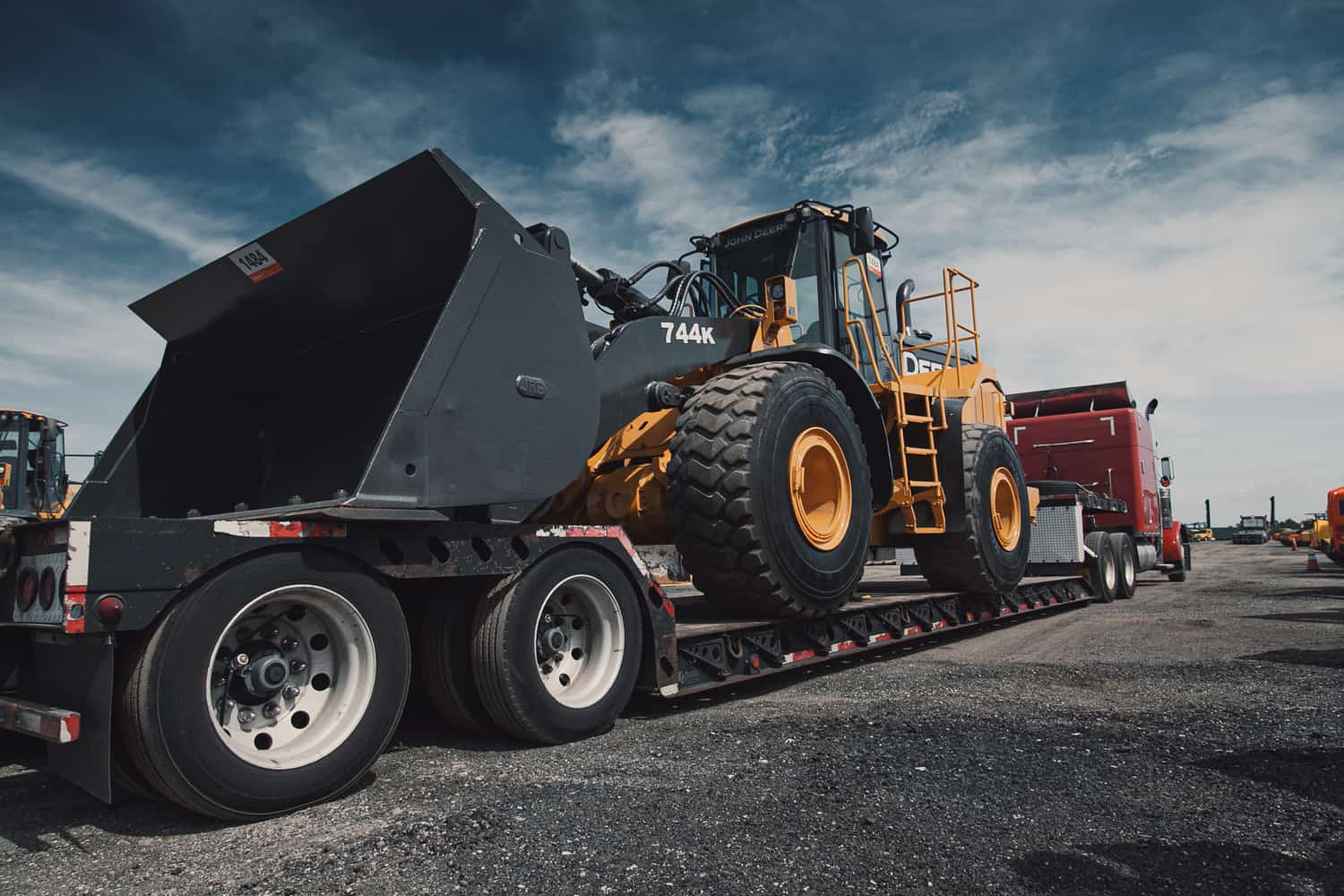
Heavy equipment transport
Moving construction machinery, industrial equipment, or other heavy assets is not just a matter of finding open-deck capacity. Dimensions, weight, loading method, route limits, jobsite access, and delivery timing can change the workable plan before the truck is dispatched. Crest starts the conversation with those conditions so the next step is based on the actual move.
Freight fit
This page is for equipment that no longer fits a simple pickup-and-delivery conversation. The exact trailer, permits, escorts, or route path may still need review; the point is to identify what affects the move early.
Fit 01
Construction machinery and jobsite equipment
Fit 02
Industrial machinery, tanks, and fabricated components
Fit 03
Oversize or route-sensitive equipment transfers
Fit 04
Equipment moves with crane, forklift, or loading coordination
Fit 05
Project cargo tied to shutdown, staging, or delivery windows
Fit 06
Heavy freight that needs trailer-fit review before quoting
Planning signal
Equipment transport gets complicated when the freight, route, and site conditions all influence each other. Crest uses the best information available to surface the details that could affect timing, fit, and coordination rather than promising a generic path before the facts are known.
Overall length, width, height, weight, axle information, and piece count help determine the starting equipment and planning questions.
Ramps, cranes, forklifts, winches, release procedures, and jobsite access can all change how the equipment needs to be handled.
Permits, escorts, low clearances, bridge limits, restrictions, and travel windows need to be identified before they become field surprises.
Shutdowns, crane windows, site staging, and delivery sequence matter when equipment is part of a larger project schedule.
Local base, practical reach
Crest is based in White City, Oregon and supports equipment-transport conversations for Southern Oregon and broader freight lanes. A local base gives shippers a clear dispatch contact while the planning conversation stays focused on the route and job conditions the equipment actually faces.
Questions before the quote
Start with pickup and delivery locations, dimensions, weight, make or model if available, photos, loading details, timing, and any route or jobsite constraints already known.
Yes. A partial drawing, equipment spec, or current dimensions can still start the conversation. Crest can flag the next details needed as the project information becomes firmer.
No. Requirements depend on the actual dimensions, weight, route, and jurisdiction. Crest does not assume a permit or escort path before the freight and route are reviewed.
Keep researching or start the load
Use these related service paths if they better describe the shipment, or send the current facts to dispatch and let the planning conversation start there.